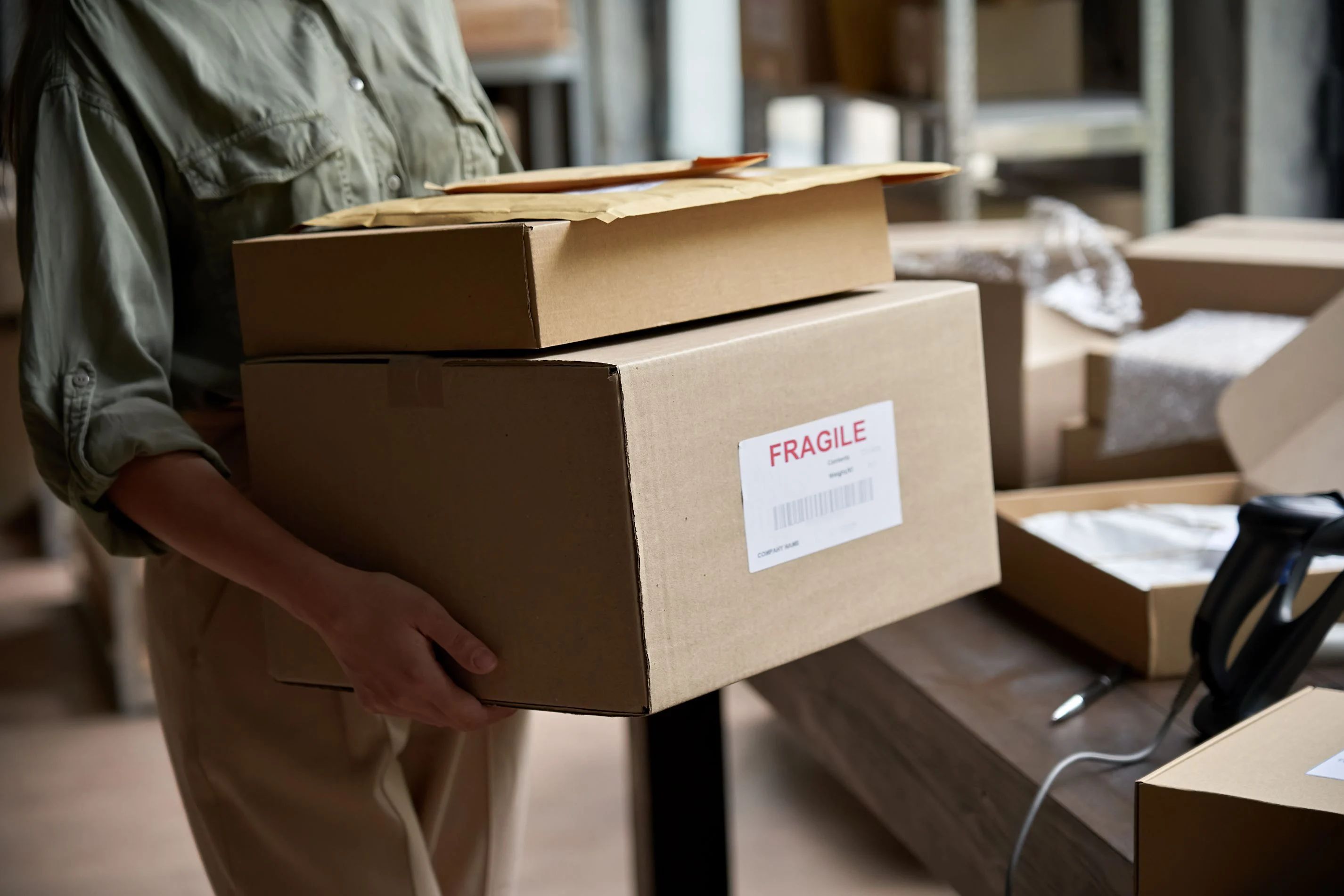
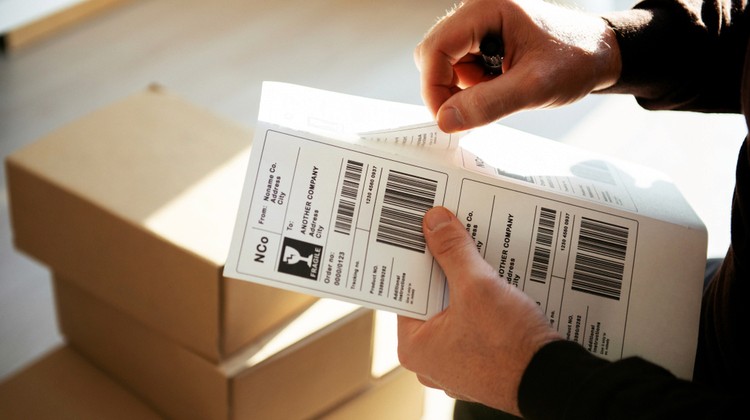
What is a Prep Center?
Amazon prep centers streamline FBA logistics—packaging, labeling, and shipping made easy.
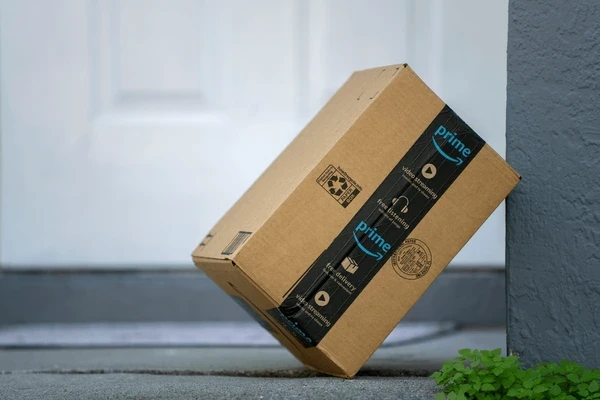
What Is an Amazon Prep Center?
An Amazon prep center is a specialized service provider that prepares your inventory for shipment to Amazon’s fulfillment network. Before products can be received at FBA warehouses, they must meet Amazon’s detailed packaging, labeling, and compliance standards. A prep center ensures your inventory arrives ready to sell and avoids costly errors.
In essence, a prep center acts as your logistics partner — receiving inventory, inspecting units, performing any required packaging and labeling, and forwarding your shipment to Amazon’s fulfillment centers on your behalf.
Why Amazon Sellers Use Prep Centers
Selling on Amazon is competitive — and Amazon’s compliance rules are strict. Prep centers help sellers stay compliant, efficient, and focused on growth.
Here’s why many sellers rely on prep centers:
1. Compliance With Amazon FBA Requirements
Amazon has rigid standards for packaging, barcodes, suffocation warnings, poly bags, bubble wrap, and shipment preparation. A small mistake can trigger:
Returned or rejected inventory
Unexpected prep fees
Delays in stock availability
Negative impact on Seller Central metrics
Prep centers know these standards and ensure your products are compliant before they reach Amazon.
2. Time Savings
Preparing inventory yourself — especially at scale — takes hours away from strategic activities like marketing, sourcing, product development, and customer service.
Prep centers handle the grunt work so you can focus on growth.
3. Reduced Risk of Stranded Inventory
Unprepared or mis‑labeled units often get “stranded” in Amazon’s system, meaning they don’t become available for sale until you fix the issue. A prep center dramatically reduces this risk.
4. Support for FBM Sellers Too
Even if you fulfill orders yourself (FBM), a prep center can help with:
Seasonal spikes in volume
Storage and organization
Packing and kitting
Reducing fulfillment errors during peak periods
What Happens Without Proper Prep?
If your shipment doesn’t meet Amazon’s requirements:
Amazon may refuse the shipment
Inventory could be returned at your expense
Prep or processing fees could be charged
Products could be disposed of if unsafe
In many cases, Amazon charges prep fees higher than a third‑party prep center would. And Amazon’s internal prep services can be slower or error‑prone compared with specialized providers.
How Does an Amazon Prep Center Work? Step‑by‑Step
Here’s a simplified look at how a prep center integrates into your fulfillment process:
1. Supplier Ships Inventory to the Prep Center
Instead of shipping directly to Amazon, your supplier sends products to the prep center.
Most prep centers provide a unique address or suite number so shipments are easily identifiable.
Pro tip: Confirm with your supplier that the suite number is on the labels to avoid processing delays.
2. You Create a Shipping Plan in Amazon Seller Central
In Seller Central, you build a shipping plan that designates inventory coming from the prep center instead of your own location.
This tells Amazon when and what inventory to expect.
3. Share Shipment Details With the Prep Center
Provide the prep service with:
Product SKUs, ASINs, or barcodes
Quantities per SKU
Prep requirements (labeling, poly bagging, bundling)
Tracking numbers and expected delivery date
The prep center uses this information to plan its workflow and avoid delays.
4. The Prep Center Does the Heavy Lifting
Once inventory arrives, a quality prep center will:
Inspect units for damage or missing items
Apply FNSKU labels and Amazon‑compliant barcodes
Pack items using the right materials (bubble wrap, poly bags, boxes)
Bundle or kit SKUs where needed
Follow special prep instructions for fragile, oversized, or unique items
Note: Not all prep centers offer every service. Choose one that matches your product type and volume.
5. Inventory Is Shipped to Amazon Fulfillment Centers
When all prep steps are complete, the prep center ships the inventory to Amazon according to your shipping plan.
Many prep partners use Amazon‑partnered carriers, which can speed up check‑in times and reduce shipping costs.
Should Your Business Use a Prep Center?
Here’s how to decide:
Best for FBA Sellers
If you sell with Amazon FBA, a prep center is often worth the investment:
Prevents compliance penalties
Reduces risk of rejected shipments
Saves time and manual effort
Supports scaling without logistical headaches
For many sellers, the time saved is worth the cost alone.
Helpful for FBM Sellers Too
Even if you fulfill orders on your own, prep centers can be useful when:
You lack storage space
You need help during peak seasons
You want faster order turnaround
Do Prep Centers Save You Money?
Yes — in multiple ways:
You don’t need to buy packing supplies like boxes, labels, poly bags, or bubble wrap.
No warehouse rental is required.
Time saved is money saved — freeing you up to grow your business.
Some prep centers located in states with no sales tax can lower inbound costs even further.
Pros and Cons of Using a Prep Center
Advantages
Ensures Amazon FBA compliance
Streamlines fulfillment operations
Reduces risk of stranded inventory
Speeds up FBA check‑in
Offers scalable support as you grow
Challenges
You give up some control over your inventory
Quality varies across prep centers — vet carefully
Potential minimum order requirements or pricing tiers
What to Look for in a Prep Center
Choosing the right prep partner is crucial.
Here are five key factors to evaluate:
1. Strategic Location & Space
A good prep center should:
Be close to Amazon fulfillment centers or major logistics hubs
Have multiple loading docks and forklift access
Offer ample storage space for scalable growth
Physical location impacts turnaround time and shipping costs — critical factors for FBA sellers.
2. Accurate Receiving & Reporting
Your prep center should:
Inspect incoming inventory thoroughly
Report discrepancies immediately
Provide real‑time visibility into what actually arrived
This minimizes errors before products are prepped.
3. Full Suite of Prep Services
Look for services such as:
Labeling (FNSKU, suffocation warnings, etc.)
Packaging that meets Amazon standards
Bundling, kitting, and specialized handling
Climate‑controlled storage if needed
Not every center offers the full range — choose one that fits your fulfillment needs.
4. Flexible Shipping
A good prep center offers:
FBA direct shipping
Drip‑feeding to avoid long‑term storage fees
Multi‑destination forwarding
Real‑time tracking dashboards
Flexibility helps you stay lean and responsive throughout the year.
5. Clear Communication & Pricing
Make sure your prep center offers:
Transparent, tiered pricing with no hidden fees
Fast turnaround times (1–3 business days)
Dedicated points of contact
Reliable support when issues arise
Great service makes all the difference when you need answers fast.
Key Questions to Ask a Prospective Prep Center
Before you commit, consider asking:
How long have you been prepping Amazon inventory?
Do you specialize in FBA compliance?
What’s your average turnaround time?
Do you have minimum order quantities?
How do you handle returns and damaged units?
Do you provide real‑time tracking or inventory visibility?
What are your billing cycles and shipping rates?
These questions help clarify expectations and gauge reliability.
Tips From Sellers Who Use Prep Centers
Test Before Fully Committing
Start with a small shipment to assess accuracy and responsiveness.
Keep Communication Open
Clear alignment helps avoid mistakes and speeds up processing.
Avoid Amazon’s Internal Prep Services
Many sellers find third‑party prep centers more accurate and reliable than Amazon’s own prep options.
Use Prep Time to Scale
Prep centers free up your time so you can focus on sourcing products, launching new SKUs, or marketing to new audiences.
Final Thoughts: Prep Centers Power Amazon Fulfillment Success
Amazon’s compliance requirements are stringent — and rightfully so. But they shouldn’t slow your growth.
A high‑quality Amazon prep center is more than a service — it’s a strategic extension of your logistics and fulfillment strategy. Whether you’re scaling FBA operations, managing FBM seasonal spikes, or preparing multi‑channel inventory, a prep partner can help streamline workflows and reduce costly errors.
At Render Fulfillment, we provide comprehensive prep support, full compliance handling, and flexible fulfillment options tailored for growing brands.
Ready to Rethink Fulfillment? Your next warehouse decision could be your most profitable yet.
What Is an Amazon Prep Center?
An Amazon prep center is a specialized service provider that prepares your inventory for shipment to Amazon’s fulfillment network. Before products can be received at FBA warehouses, they must meet Amazon’s detailed packaging, labeling, and compliance standards. A prep center ensures your inventory arrives ready to sell and avoids costly errors.
In essence, a prep center acts as your logistics partner — receiving inventory, inspecting units, performing any required packaging and labeling, and forwarding your shipment to Amazon’s fulfillment centers on your behalf.
Why Amazon Sellers Use Prep Centers
Selling on Amazon is competitive — and Amazon’s compliance rules are strict. Prep centers help sellers stay compliant, efficient, and focused on growth.
Here’s why many sellers rely on prep centers:
1. Compliance With Amazon FBA Requirements
Amazon has rigid standards for packaging, barcodes, suffocation warnings, poly bags, bubble wrap, and shipment preparation. A small mistake can trigger:
Returned or rejected inventory
Unexpected prep fees
Delays in stock availability
Negative impact on Seller Central metrics
Prep centers know these standards and ensure your products are compliant before they reach Amazon.
2. Time Savings
Preparing inventory yourself — especially at scale — takes hours away from strategic activities like marketing, sourcing, product development, and customer service.
Prep centers handle the grunt work so you can focus on growth.
3. Reduced Risk of Stranded Inventory
Unprepared or mis‑labeled units often get “stranded” in Amazon’s system, meaning they don’t become available for sale until you fix the issue. A prep center dramatically reduces this risk.
4. Support for FBM Sellers Too
Even if you fulfill orders yourself (FBM), a prep center can help with:
Seasonal spikes in volume
Storage and organization
Packing and kitting
Reducing fulfillment errors during peak periods
What Happens Without Proper Prep?
If your shipment doesn’t meet Amazon’s requirements:
Amazon may refuse the shipment
Inventory could be returned at your expense
Prep or processing fees could be charged
Products could be disposed of if unsafe
In many cases, Amazon charges prep fees higher than a third‑party prep center would. And Amazon’s internal prep services can be slower or error‑prone compared with specialized providers.
How Does an Amazon Prep Center Work? Step‑by‑Step
Here’s a simplified look at how a prep center integrates into your fulfillment process:
1. Supplier Ships Inventory to the Prep Center
Instead of shipping directly to Amazon, your supplier sends products to the prep center.
Most prep centers provide a unique address or suite number so shipments are easily identifiable.
Pro tip: Confirm with your supplier that the suite number is on the labels to avoid processing delays.
2. You Create a Shipping Plan in Amazon Seller Central
In Seller Central, you build a shipping plan that designates inventory coming from the prep center instead of your own location.
This tells Amazon when and what inventory to expect.
3. Share Shipment Details With the Prep Center
Provide the prep service with:
Product SKUs, ASINs, or barcodes
Quantities per SKU
Prep requirements (labeling, poly bagging, bundling)
Tracking numbers and expected delivery date
The prep center uses this information to plan its workflow and avoid delays.
4. The Prep Center Does the Heavy Lifting
Once inventory arrives, a quality prep center will:
Inspect units for damage or missing items
Apply FNSKU labels and Amazon‑compliant barcodes
Pack items using the right materials (bubble wrap, poly bags, boxes)
Bundle or kit SKUs where needed
Follow special prep instructions for fragile, oversized, or unique items
Note: Not all prep centers offer every service. Choose one that matches your product type and volume.
5. Inventory Is Shipped to Amazon Fulfillment Centers
When all prep steps are complete, the prep center ships the inventory to Amazon according to your shipping plan.
Many prep partners use Amazon‑partnered carriers, which can speed up check‑in times and reduce shipping costs.
Should Your Business Use a Prep Center?
Here’s how to decide:
Best for FBA Sellers
If you sell with Amazon FBA, a prep center is often worth the investment:
Prevents compliance penalties
Reduces risk of rejected shipments
Saves time and manual effort
Supports scaling without logistical headaches
For many sellers, the time saved is worth the cost alone.
Helpful for FBM Sellers Too
Even if you fulfill orders on your own, prep centers can be useful when:
You lack storage space
You need help during peak seasons
You want faster order turnaround
Do Prep Centers Save You Money?
Yes — in multiple ways:
You don’t need to buy packing supplies like boxes, labels, poly bags, or bubble wrap.
No warehouse rental is required.
Time saved is money saved — freeing you up to grow your business.
Some prep centers located in states with no sales tax can lower inbound costs even further.
Pros and Cons of Using a Prep Center
Advantages
Ensures Amazon FBA compliance
Streamlines fulfillment operations
Reduces risk of stranded inventory
Speeds up FBA check‑in
Offers scalable support as you grow
Challenges
You give up some control over your inventory
Quality varies across prep centers — vet carefully
Potential minimum order requirements or pricing tiers
What to Look for in a Prep Center
Choosing the right prep partner is crucial.
Here are five key factors to evaluate:
1. Strategic Location & Space
A good prep center should:
Be close to Amazon fulfillment centers or major logistics hubs
Have multiple loading docks and forklift access
Offer ample storage space for scalable growth
Physical location impacts turnaround time and shipping costs — critical factors for FBA sellers.
2. Accurate Receiving & Reporting
Your prep center should:
Inspect incoming inventory thoroughly
Report discrepancies immediately
Provide real‑time visibility into what actually arrived
This minimizes errors before products are prepped.
3. Full Suite of Prep Services
Look for services such as:
Labeling (FNSKU, suffocation warnings, etc.)
Packaging that meets Amazon standards
Bundling, kitting, and specialized handling
Climate‑controlled storage if needed
Not every center offers the full range — choose one that fits your fulfillment needs.
4. Flexible Shipping
A good prep center offers:
FBA direct shipping
Drip‑feeding to avoid long‑term storage fees
Multi‑destination forwarding
Real‑time tracking dashboards
Flexibility helps you stay lean and responsive throughout the year.
5. Clear Communication & Pricing
Make sure your prep center offers:
Transparent, tiered pricing with no hidden fees
Fast turnaround times (1–3 business days)
Dedicated points of contact
Reliable support when issues arise
Great service makes all the difference when you need answers fast.
Key Questions to Ask a Prospective Prep Center
Before you commit, consider asking:
How long have you been prepping Amazon inventory?
Do you specialize in FBA compliance?
What’s your average turnaround time?
Do you have minimum order quantities?
How do you handle returns and damaged units?
Do you provide real‑time tracking or inventory visibility?
What are your billing cycles and shipping rates?
These questions help clarify expectations and gauge reliability.
Tips From Sellers Who Use Prep Centers
Test Before Fully Committing
Start with a small shipment to assess accuracy and responsiveness.
Keep Communication Open
Clear alignment helps avoid mistakes and speeds up processing.
Avoid Amazon’s Internal Prep Services
Many sellers find third‑party prep centers more accurate and reliable than Amazon’s own prep options.
Use Prep Time to Scale
Prep centers free up your time so you can focus on sourcing products, launching new SKUs, or marketing to new audiences.
Final Thoughts: Prep Centers Power Amazon Fulfillment Success
Amazon’s compliance requirements are stringent — and rightfully so. But they shouldn’t slow your growth.
A high‑quality Amazon prep center is more than a service — it’s a strategic extension of your logistics and fulfillment strategy. Whether you’re scaling FBA operations, managing FBM seasonal spikes, or preparing multi‑channel inventory, a prep partner can help streamline workflows and reduce costly errors.
At Render Fulfillment, we provide comprehensive prep support, full compliance handling, and flexible fulfillment options tailored for growing brands.
Ready to Rethink Fulfillment? Your next warehouse decision could be your most profitable yet.