Understanding eCommerce Fulfillment: What It Is, How It Works, and Your Best Options
Behind every five-star review is a well-executed fulfillment process.
What is eCommerce Fulfillment?
eCommerce fulfillment refers to the complete workflow that transforms online orders into delivered products in customers’ hands. It begins with your products entering a warehouse and ends when the customer receives their package. Key stages include:
Receiving and storing inventory at fulfillment centers
Picking and packing individual orders
Shipping orders via reliable carriers
Handling returns efficiently
Maintaining real-time inventory and order tracking
You can manage fulfillment internally — or partner with a logistics expert like Render Fulfillment, letting you focus on growth while we handle logistics.
The eCommerce Fulfillment Process: Step by Step
1. Receiving Inventory
Everything starts when your merchandise arrives at our warehouse. Each SKU is scanned into our warehouse‑management system (WMS), giving you real‑time visibility from day one. Advance shipping notices (ASNs) help us prepare for incoming shipments, preventing delays or mismatches and ensuring inventory accuracy.
2. Warehousing & Storage
Our facilities are more than storage units — they are optimized operations hubs. Every SKU is barcoded and mapped to a fixed location, enabling quick retrieval. High‑velocity items are positioned near packing zones; organized slotting and zone layout streamline workflow and reduce picking errors. Our facilities are secure and monitored 24/7 to keep inventory safe.
3. Picking & Packing Orders
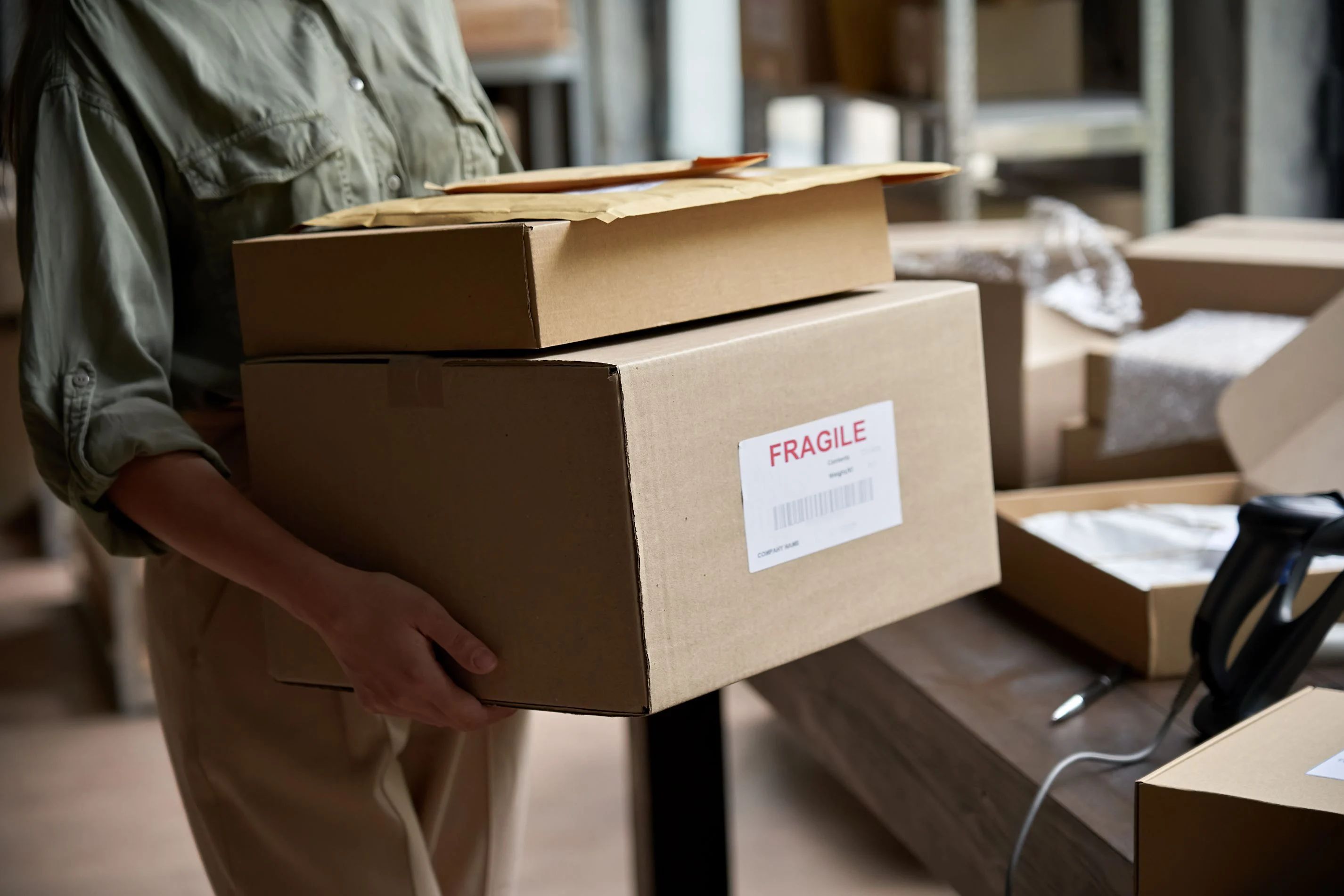
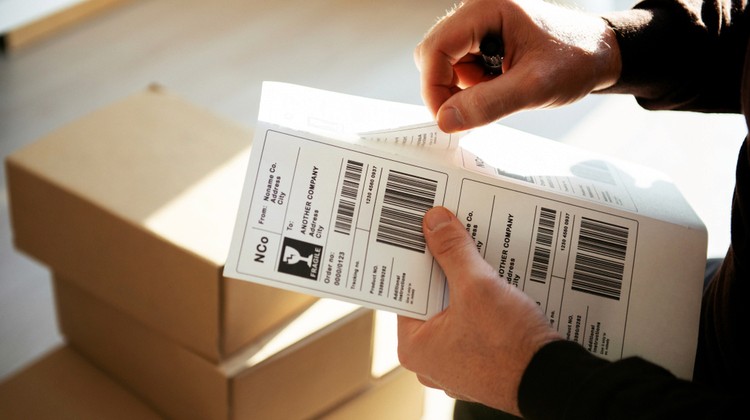
When a customer places an order, it enters our WMS — triggering a pick list automatically. Warehouse staff collect the ordered items, verify them with scanners, then transfer them to packing stations. There, we select appropriate box sizes, add protective packaging materials, and prepare labels for carriers. Our goal: process orders same-day to meet fast-shipping expectations.
4. Shipping & Delivery
Once packed, orders are handed over to the best-fit carrier, based on destination, weight, and delivery speed. Because our fulfillment centers are strategically located, we can offer competitive 2-day shipping rates across much of the U.S., helping you meet delivery promises and keep customers satisfied.
5. Returns & Reverse Logistics
Returns are a reality in eCommerce — and handling them efficiently matters. Returned items are logged, inspected, and restocked quickly when possible. This reduces write-offs, helps avoid dead stock, and ensures customers have a smooth return experience that reflects well on your brand.
eCommerce Fulfillment Options: What’s Best for You?
In-House Fulfillment
Many startups begin by packing and shipping orders themselves — from a spare room, garage, or small storage unit. While this gives you full control, it becomes harder to manage as order volume increases; staffing, storage, and fulfillment speed quickly grow into challenges.
Outsourced Fulfillment (3PL)
Partnering with Render Fulfillment lets you access professional logistics services without the burden of overhead. You benefit from scalable warehousing, industry‑level systems, discounted carrier rates, multi‑channel integrations, custom packaging, real-time dashboards, and flexibility — all enabling you to grow with confidence.
Amazon FBA
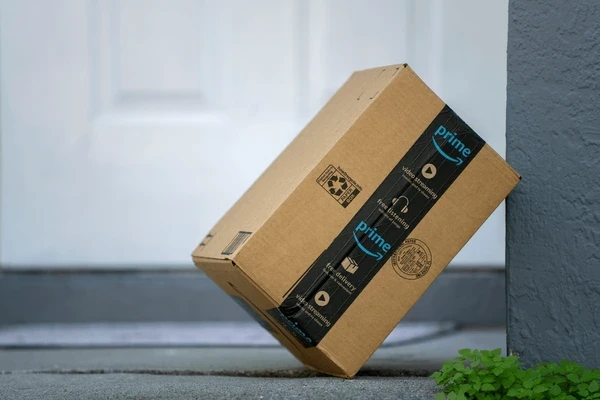
Using a major fulfillment network such as Amazon’s can help with fast shipping and Prime eligibility — but it also means less control over packaging, branding, and sometimes customer experience. Many brands opt for hybrid models: using Amazon for some products and a 3PL like Render Fulfillment for others, preserving flexibility and control.
Dropshipping
Dropshipping lets merchants sell products without holding inventory — the supplier ships directly to customers. It minimizes upfront investment but also reduces control over delivery speed, product quality, and branding. Because of these tradeoffs, many brands transition from dropshipping to 3PL fulfillment as they scale.
FAQs About eCommerce Fulfillment
What’s the difference between eCommerce and fulfillment?
eCommerce refers to online selling and marketing. Fulfillment covers everything that happens after an order is placed — from storage to shipping to returns.
How much does fulfillment cost?
Costs vary depending on order volume, storage needs, and services. Typical expenses include:
Pick & pack fees (per order or per item)
Storage fees (per cubic foot/month)
Shipping fees (based on weight, zone, and speed)
Optional services (kitting, custom packaging, FBA prep, etc.)
At Render Fulfillment, we offer transparent, scalable pricing to suit both small and large sellers.
Should I use a fulfillment partner?
If you’re scaling or want to save time and reduce complexity, partnering with a 3PL is often the smarter move. You gain access to logistics expertise, streamlined workflows, reliable shipping, and fewer overhead costs — allowing you to focus on marketing, product development, and growth.
Final Thoughts: Fulfillment That Fuels Growth
Your fulfillment partner isn’t just shipping boxes — they’re delivering your brand. Reliable, efficient fulfillment builds trust, supports customer loyalty, and scales with your business. Whether you’re sending out your first 500 orders or scaling toward 50,000, Render Fulfillment delivers the speed, accuracy, and operational support needed to thrive.
Let us handle the logistics — you focus on growing your brand.
Get A Quote Today
What is eCommerce Fulfillment?
eCommerce fulfillment refers to the complete workflow that transforms online orders into delivered products in customers’ hands. It begins with your products entering a warehouse and ends when the customer receives their package. Key stages include:
Receiving and storing inventory at fulfillment centers
Picking and packing individual orders
Shipping orders via reliable carriers
Handling returns efficiently
Maintaining real-time inventory and order tracking
You can manage fulfillment internally — or partner with a logistics expert like Render Fulfillment, letting you focus on growth while we handle logistics.
The eCommerce Fulfillment Process: Step by Step
1. Receiving Inventory
Everything starts when your merchandise arrives at our warehouse. Each SKU is scanned into our warehouse‑management system (WMS), giving you real‑time visibility from day one. Advance shipping notices (ASNs) help us prepare for incoming shipments, preventing delays or mismatches and ensuring inventory accuracy.
2. Warehousing & Storage
Our facilities are more than storage units — they are optimized operations hubs. Every SKU is barcoded and mapped to a fixed location, enabling quick retrieval. High‑velocity items are positioned near packing zones; organized slotting and zone layout streamline workflow and reduce picking errors. Our facilities are secure and monitored 24/7 to keep inventory safe.
3. Picking & Packing Orders
When a customer places an order, it enters our WMS — triggering a pick list automatically. Warehouse staff collect the ordered items, verify them with scanners, then transfer them to packing stations. There, we select appropriate box sizes, add protective packaging materials, and prepare labels for carriers. Our goal: process orders same-day to meet fast-shipping expectations.
4. Shipping & Delivery
Once packed, orders are handed over to the best-fit carrier, based on destination, weight, and delivery speed. Because our fulfillment centers are strategically located, we can offer competitive 2-day shipping rates across much of the U.S., helping you meet delivery promises and keep customers satisfied.
5. Returns & Reverse Logistics
Returns are a reality in eCommerce — and handling them efficiently matters. Returned items are logged, inspected, and restocked quickly when possible. This reduces write-offs, helps avoid dead stock, and ensures customers have a smooth return experience that reflects well on your brand.
eCommerce Fulfillment Options: What’s Best for You?
In-House Fulfillment
Many startups begin by packing and shipping orders themselves — from a spare room, garage, or small storage unit. While this gives you full control, it becomes harder to manage as order volume increases; staffing, storage, and fulfillment speed quickly grow into challenges.
Outsourced Fulfillment (3PL)
Partnering with Render Fulfillment lets you access professional logistics services without the burden of overhead. You benefit from scalable warehousing, industry‑level systems, discounted carrier rates, multi‑channel integrations, custom packaging, real-time dashboards, and flexibility — all enabling you to grow with confidence.
Amazon FBA
Using a major fulfillment network such as Amazon’s can help with fast shipping and Prime eligibility — but it also means less control over packaging, branding, and sometimes customer experience. Many brands opt for hybrid models: using Amazon for some products and a 3PL like Render Fulfillment for others, preserving flexibility and control.
Dropshipping
Dropshipping lets merchants sell products without holding inventory — the supplier ships directly to customers. It minimizes upfront investment but also reduces control over delivery speed, product quality, and branding. Because of these tradeoffs, many brands transition from dropshipping to 3PL fulfillment as they scale.
FAQs About eCommerce Fulfillment
What’s the difference between eCommerce and fulfillment?
eCommerce refers to online selling and marketing. Fulfillment covers everything that happens after an order is placed — from storage to shipping to returns.
How much does fulfillment cost?
Costs vary depending on order volume, storage needs, and services. Typical expenses include:
Pick & pack fees (per order or per item)
Storage fees (per cubic foot/month)
Shipping fees (based on weight, zone, and speed)
Optional services (kitting, custom packaging, FBA prep, etc.)
At Render Fulfillment, we offer transparent, scalable pricing to suit both small and large sellers.
Should I use a fulfillment partner?
If you’re scaling or want to save time and reduce complexity, partnering with a 3PL is often the smarter move. You gain access to logistics expertise, streamlined workflows, reliable shipping, and fewer overhead costs — allowing you to focus on marketing, product development, and growth.
Final Thoughts: Fulfillment That Fuels Growth
Your fulfillment partner isn’t just shipping boxes — they’re delivering your brand. Reliable, efficient fulfillment builds trust, supports customer loyalty, and scales with your business. Whether you’re sending out your first 500 orders or scaling toward 50,000, Render Fulfillment delivers the speed, accuracy, and operational support needed to thrive.
Let us handle the logistics — you focus on growing your brand.
Get A Quote Today